Apple has split stocks, with the most recent one recorded in August 2020. It was the fifth time it split stock since 1980 as 4-for-1, offering four shares to shareholders for every share they owned. The shares were worth $499.23 each before the split, and post-split, it was reduced to $127. In June 2014, the tech giant split stock as 7-for-1, which reduced post-split price to $93 per share from $650 per share pre-split. However, the tech giant is soon set for more upcoming stock splits.
Good News! We have found the answer to this question!
Stock splits can make shares more affordable and enhance liquidity. For interested retail investors, shares become more accessible, while splits do not change anything for the existing shareholders except increased number of shares. On the contrary, future Earning Per Share (EPS) might reduce as the number of shares increases. There is no flow of money during share splits; hence there are no tax implications.
How do stock splits affect options contracts?
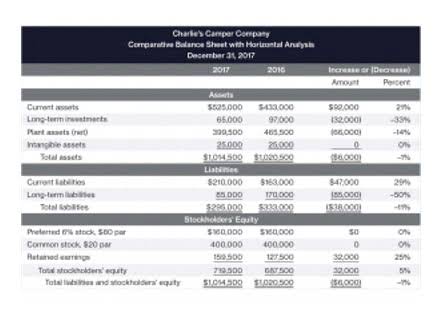
They increase the outstanding shares, reducing the per-share amount for traders. Though the companies split the shares for a reason, they ensure the existing shareholders receive more units equalling their invested amount. Stock splits are a strategic move by companies to make shares more accessible and liquid, which can potentially benefit investors by increasing the number of shares they hold. However, while retained earnings the split lowers the price per share, it does not change the overall value of the investment. As with any market event, stock splits have both advantages and drawbacks, and their impact depends on market conditions and investor sentiment. Apple’s outstanding shares increased from 861 million to 6 billion shares.
Answers
In this case, companies reduce the volume of shares to increase the unit share price. The stock exchange that lists such companies’ stocks delists them when their stock prices decrease beyond limits. Thus, these firms opt for reverse splits to retain their market position.

Are stock splits always a good sign for a company?
The division is so made that the ratio is kept the same, and each share is priced equally to make the shares affordable for small and big retail investors. It also enhances their liquidity with high shares, creating a more efficient market and stock splits are issued primarily to lowering the low bid-ask spread. A stock split doesn’t directly increase your total value or make you more money. It only makes the shares cheaper and more accessible to new investors. However, stock splits can sometimes lead to short-term price movements due to increased trading activity. Stock splits are among the most misunderstood corporate actions in the market, yet they happen all the time.
Large stock dividends and stock splits are issued primarily to:
The information is provided for general purposes only, and does not take into account any personal circumstances or objectives. Before acting on this material, you should consider whether it is suitable for your particular circumstances and, if necessary, seek professional advice. No representation or warranty is given as to the accuracy or completeness of this information. It does not constitute financial, investment or other advice on which you can rely. Any references to past performance, historical returns, future projections, and statistical forecasts are no guarantee of future returns or future performance.

Reverse Splits
However, the market capitalization of the company remained largely unchanged at $556 billion. The day after the stock split, the price had increased to a high of $95.05 to reflect the increased Liability Accounts demand from the lower stock price. The stocks split when the current stock price makes the units inaccessible and unaffordable for investors.
- When an investor shorts a stock, they are borrowing the shares with the agreement that they will return them at some point in the future.
- Existing shareholders were also given six additional shares for each share they owned prior to the stock split.
- As a result, investors believe that the performance will continue to be better, and the company will remain in profits for the upcoming years.
- Hence, any person acting based on this information does so at their own discretion.
- Accordingly, following the same logic, a company’s market cap would remain the same as it was before the split.
- After a reverse split, some investors may see the stock price rise, but the stock may not increase in value, or it may take a long time to recover.
Why Do Companies Split Their Stock?
For example, suppose the shares of XYZ Corp. were trading at $20 at the time of the two-for-one split; after the split, the number of shares doubled, and the shares traded at $10 instead of $20. If an investor has 100 shares at $20 for a total of $2,000, after the split, they will have 200 shares at $10 for a total of $2,000. Existing shareholders were also given six additional shares for each share they owned prior to the stock split.
Long Squeeze: How Does It Influence the Market?
Primarily, companies announce a split when a long run-up is observed in their share prices. The share splits, as the process is also known, reduce the share price to make it affordable for retail investors. Furthermore, the investors’ trust in the company impacts the share prices positively, and the increase in the quantity of shares leads to their improved liquidity. This enhancement in liquidity makes the market more efficient, lowering the bid-ask spread. After a split, the stock price will be reduced (because the number of shares outstanding has increased). Thus, while a stock split increases the number of outstanding shares and proportionally lowers the share price, the company’s market capitalization remains unchanged.
Bu məzmunu qiymətləndirin:
Rəyinizi Bildirin
Hələ heç bir rəy yoxdur.
Bir yanıt yazın